
Table of Contents
- What Happens Before You Prepare for Implants: The Consultation Stage
- Medications, Health Conditions, and Pre-Surgery Checks
- How to Prepare for Implants on the Day of Surgery
- What to Eat After Dental Implant Surgery
- Dental Implant Surgery Risks and Complications to Know About
- Dental Implant Recovery Timeline: Week by Week
- Oral Hygiene Before and After Your Implant Procedure
- Frequently Asked Questions
Last Updated: August 31, 2026
What Happens Before You Prepare for Implants: The Consultation Stage
Knowing how to prepare for implants properly starts well before surgery. At Aviva Cosmetic Dentistry, patients who arrive informed and ready experience smoother procedures and faster recoveries. The consultation is the foundation on which your entire treatment plan is built.
Dental implants are titanium posts surgically placed into the jawbone to act as artificial tooth roots, onto which a crown, bridge, or denture is secured. Because they integrate directly with living bone, the assessment process before surgery is thorough by design.
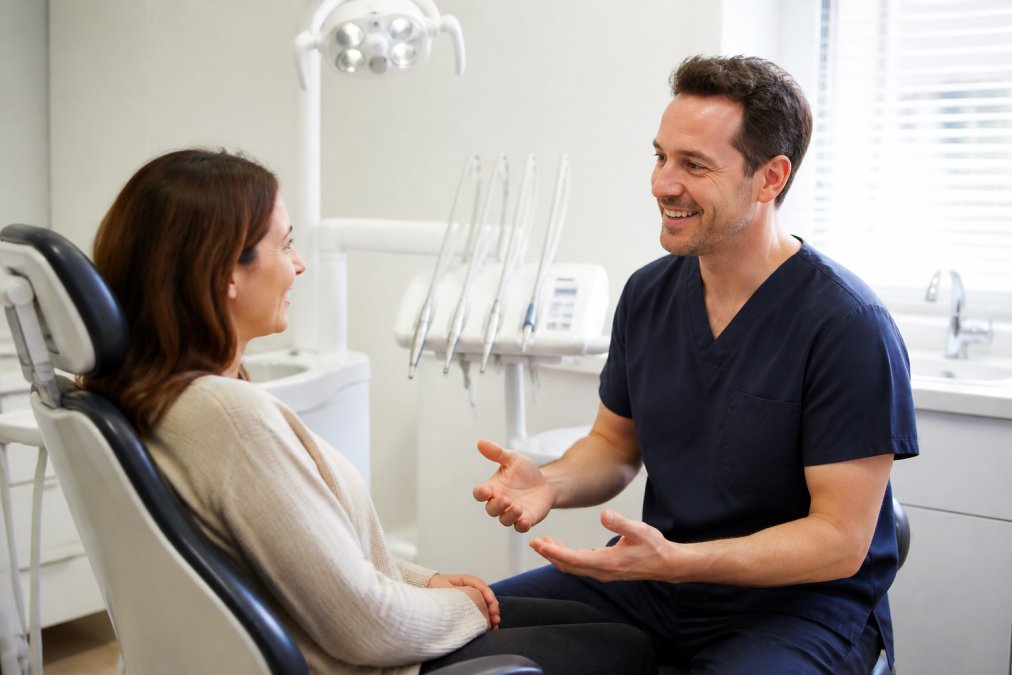
Your dentist will review your full dental and medical history, current medications, and any conditions that might affect healing. This is your opportunity to ask every question you have, including those about anxiety. A skilled clinical team will address concerns directly rather than dismiss them.
Assessments Your Dentist Will Carry Out
A thorough pre-implant assessment typically includes:
- Dental X-rays and 3D CBCT scans to assess bone density, volume, and implant site anatomy
- Gum health evaluation to rule out active periodontal disease
- Bite and occlusion analysis to ensure the implant functions correctly under chewing pressure
- Medical history review covering conditions such as diabetes, osteoporosis, and autoimmune disorders
- Smoking status as tobacco use is a recognised risk factor for implant failure
Patients need sufficient bone and healthy gums to be suitable candidates. If bone loss is present, a bone graft may be recommended before implant placement.
The outcome is a personalised treatment plan. Your anatomy, health, and goals determine everything.
Medications, Health Conditions, and Pre-Surgery Checks
Blood thinners such as warfarin or aspirin, bisphosphonate drugs for osteoporosis, immunosuppressants, and some diabetes medications can all affect how the body heals after implant placement. Your dentist needs a complete and accurate list before planning surgery.
You should also disclose:
- Any allergies, including metal allergies
- Supplements and herbal remedies
- Recent illnesses or changes in health status
- Whether you have had radiotherapy to the jaw area
Certain conditions do not automatically disqualify someone from receiving implants, but they require careful management. Controlled diabetes is generally manageable with appropriate planning.
Your dentist may request a blood test or a letter from your GP confirming that a medical condition is stable. The General Dental Council standards for patient care require that clinicians carry out a thorough assessment before any surgical procedure.
How to Prepare for Implants on the Day of Surgery
If you are having the procedure under local anaesthetic only, you can eat a light meal beforehand. If sedation has been planned, your dentist will give you specific fasting instructions, typically asking you to avoid food and drink for a set period. Follow these instructions precisely.
Practical arrangements for the day:
- Arrange transport. If sedation is involved, you cannot drive home.
- Wear comfortable, loose clothing. Avoid tight collars.
- Avoid alcohol for at least 24 hours beforehand. Alcohol affects bleeding and interacts poorly with sedative agents.
- Take any pre-prescribed antibiotics or antimicrobial mouthwash exactly as directed.
- Arrive with clean teeth. Brush and floss thoroughly the morning of the procedure.
Patients who have prepared well, understand the process, and trust their clinical team consistently report a more comfortable experience.
What to Eat and Drink Before the Procedure
For local anaesthetic procedures, a light meal two to three hours beforehand is sensible. Avoid anything requiring heavy chewing and avoid alcohol entirely.
For sedation procedures, your clinical team will provide written fasting instructions. These typically specify no food or drink from midnight the night before. Confirm the exact requirements at your pre-surgery appointment.
Preparing Your Home for the Recovery Period
Setting up your home before the procedure means you will not be trying to organise things while in discomfort.
Stock your kitchen with soft foods before surgery. Clear a comfortable resting space. Have an ice pack ready (wrapped in cloth, never applied directly to skin). Arrange time off work in advance, as many patients need two to three days before returning to normal activity.
What to Eat After Dental Implant Surgery
The surgical site needs time to heal without mechanical disruption. Hard, crunchy, or chewy foods can dislodge the blood clot that forms at the implant site, increasing the risk of complications.
Foods that work well in the first week:
- Smooth soups (cooled to lukewarm)
- Natural yoghurt
- Mashed potato
- Scrambled eggs
- Soft-cooked fish
- Porridge
- Smoothies (avoid using a straw)
- Avocado
Foods to avoid:
- Anything hard, crunchy, or requiring significant chewing
- Spicy foods
- Very hot food or drink
- Alcohol
- Popcorn, seeds, and nuts

The Oral Health Foundation’s guidance on dental implant aftercare advises patients to maintain a soft diet until their dentist confirms the site has healed sufficiently, typically reviewed at a follow-up appointment within one to two weeks.
Dental Implant Surgery Risks and Complications to Know About
Implants have a strong long-term track record when placed by experienced clinicians in appropriately assessed patients. However, no surgical procedure is without risk.
Common short-term issues:
- Swelling and bruising around the jaw and cheek
- Discomfort at the implant site, typically manageable with over-the-counter pain relief
- Minor bleeding in the first 24 hours
- Temporary difficulty eating and speaking
Less common but more serious complications:
- Infection at the implant site, which may require antibiotic treatment or removal
- Nerve or tissue damage, causing numbness or altered sensation in the lip, chin, or tongue
- Sinus problems, particularly with upper jaw implants
- Implant failure, where osseointegration does not occur
- Peri-implantitis, a form of gum disease around the implant that can develop years after placement
Risk is reduced significantly by thorough pre-surgical assessment, precise placement technique, and diligent aftercare. Smoking, uncontrolled systemic disease, and poor oral hygiene are the primary modifiable risk factors.
Risk Factor | Impact on Outcome | What You Can Do |
|---|---|---|
Smoking | Increases implant failure risk | Stop smoking before and after surgery |
Poor oral hygiene | Raises infection and peri-implantitis risk | Establish rigorous cleaning routine |
Uncontrolled diabetes | Impairs healing and osseointegration | Work with GP to stabilise blood sugar |
Bone deficiency | May prevent implant placement | Discuss bone grafting options |
Certain medications | Can affect healing and bleeding | Disclose all medications at consultation |
Dental Implant Recovery Timeline: Week by Week
The dental implant recovery timeline varies between patients, but a general pattern applies to most straightforward cases.
Week 1: The most uncomfortable phase. Swelling typically peaks around day two or three before gradually subsiding. Soft diet, limited activity, and careful oral hygiene are essential. Most patients manage discomfort with standard over-the-counter pain relief.
Weeks 2 to 4: Swelling and tenderness reduce significantly. Eating becomes easier. Many patients return to work within a few days. The implant begins osseointegration, where the titanium post fuses with the jawbone.
Months 2 to 3: Osseointegration continues beneath the surface. Avoid putting excessive pressure on the implant site.
Months 3 to 6: The implant is assessed as sufficiently integrated to proceed with the restorative phase: fitting the abutment and final crown. This timeline varies based on bone density and healing rate.
Beyond 6 months: The final restoration is in place and the implant should function like a natural tooth. Long-term success depends on ongoing maintenance.
The British Dental Association’s resources on implant dentistry notes that patient-specific factors including age, bone quality, and systemic health all influence osseointegration speed.
Oral Hygiene Before and After Your Implant Procedure
Arriving at your implant procedure with healthy gums and low bacterial load gives the site the best possible start.
Before surgery:
- Treat any active gum disease before implant placement.
- Brush twice daily with fluoride toothpaste and floss daily.
- Use any antimicrobial mouthwash prescribed by your dentist in the days leading up to surgery.
- Attend any hygiene appointments recommended as part of your pre-treatment plan.
Immediately after surgery (first 24 hours):
- Do not rinse vigorously or spit forcefully.
- Avoid brushing directly over the surgical site.
- A gentle saline rinse after meals may be recommended from day two onwards.
Ongoing maintenance:
Implants cannot develop decay like natural teeth, but the surrounding gum tissue and bone remain vulnerable to infection. Peri-implantitis is driven by plaque accumulation around the implant.
Effective long-term oral hygiene for implant patients includes:
- Twice-daily brushing with a soft-bristled brush
- Interdental brushes or floss designed for implants
- Regular professional cleaning and implant checks, typically every six months
- Immediate attention to any signs of swelling, bleeding, or discomfort around the implant
The investment in an implant is a long-term one. Protecting it through consistent oral hygiene is essential.
Preparing thoroughly for dental implant surgery is one of the most effective things you can do to improve your outcome. The process involves honest communication with your clinical team, careful attention to pre- and post-operative instructions, and a commitment to long-term maintenance. Aviva Cosmetic Dentistry brings together an internationally renowned clinical team and state-of-the-art digital technology to guide patients through every stage of the implant process, from initial assessment to final restoration. With decades of experience in advanced restorative dentistry and a tailored approach to every patient’s needs, our team is equipped to support you through this treatment with precision and care. Book your consultation with Aviva Cosmetic Dentistry now and take the first step towards a confident, lasting smile.
Frequently Asked Questions
What should I do the night before dental implant surgery?
The night before surgery, avoid alcohol and eat a light meal if your procedure is planned for the afternoon. If you have been told to fast, stop eating and drinking from midnight. Lay out comfortable, loose clothing, arrange transport home with a friend or family member, and get an early night. Good rest helps your body manage the procedure and supports healing in the days that follow. Your dental team will give you specific instructions at your pre-operative appointment.
How long does it take to prepare for dental implants?
Preparation varies depending on your oral health. Some patients move from initial consultation to surgery within a few weeks, while others need preliminary work such as bone grafting or tooth extractions first, which can extend the timeline by several months. A thorough assessment, including X-rays and a 3D scan, gives your dentist a clear picture of what is needed. For patients with a specific deadline such as a wedding, raising this at your first consultation allows your clinical team to plan realistically around your schedule.
Do I need to stop taking medication before dental implant surgery?
Some medications can affect bleeding, healing, or how your body responds to anaesthesia, so your dental team needs a complete list of everything you take, including over-the-counter medicines and supplements. Blood thinners, anti-inflammatory drugs, and certain supplements such as fish oil or vitamin E may need to be paused before surgery. Never stop a prescribed medication without speaking to your GP first. Your dentist and GP can co-ordinate to make sure any adjustments are safe for your overall health.
Are there specific oral hygiene steps to take before implant surgery?
Yes. In the weeks before surgery, your dentist will want your gums as healthy as possible. This usually means a professional clean to remove tartar and treat any signs of gum disease, since active infection can affect how well an implant integrates with the bone. At home, brush twice daily with a fluoride toothpaste, floss carefully, and use an antibacterial mouthwash if recommended. Arriving for surgery with a clean, healthy mouth gives the implant the best possible conditions to heal successfully.
This article was written using GrandRanker
